
Reflections on TDD and Software Design – Part 2
In part 1 I talked about the key aspects of my TDD practice from a workflow pov, in this final part I will talk about the more tricky aspects of TDD – scope and design.
blatherings on software…
In part 1 I talked about the key aspects of my TDD practice from a workflow pov, in this final part I will talk about the more tricky aspects of TDD – scope and design.

In this final part, I will review the current domain model, explore alternatives and make some model improvements keeping in mind the outcome of the design level event storm. Finally I will end with some DDD takeaways that should be applicable generally

A practice in domain (re)modeling using my pet project, guided by strategic and tactical DDD patterns.
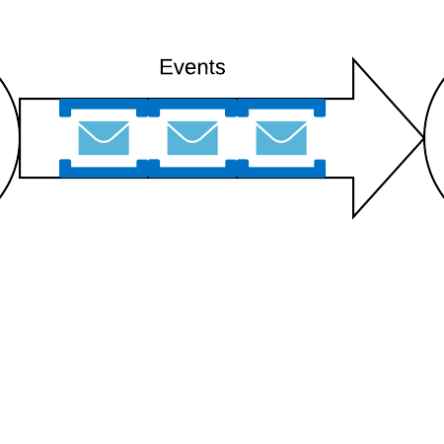
In this post I present some finer grained lessons we’ve learned (a. k. a burn marks) since then having solved some foundational problems that surfaced due to not paying enough attention to the failure modes inherent in EDAs, upfront
Using C# Source Generators to generate DTOs could potentially save a lot of developer time, so in this post I am going to attempt to write just such a generator.
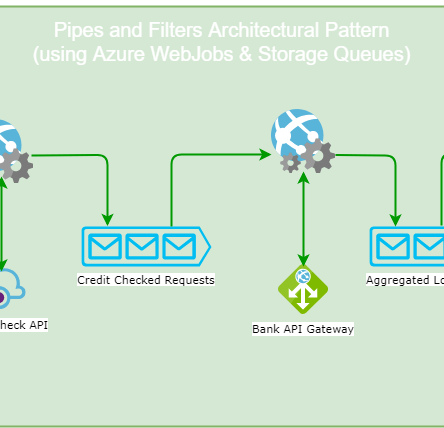
…the whole business process can be divided into smaller asynchronous sub-processes with each one feeding i.e. “piping” its output into the input of the subsequent process(es). At each stage some processing is done for e.g. data enriching, filtering etc and this processing generically is termed as a “filter”.

The way logging and instrumentation in code has traditionally been done is something like the below, say, I want to profile my application service method called “PeriodCloseReportAsync()” that gets called … Continue reading Using DispatchProxy for Centralised Structured Logging in ASP.NET Core
Seeing as micro-service architectures are all the rage these days, I decided to dip into it by building…
In this post I will show one way to mix JWT Token authentication with cookie authentication using ASP.NET Core and send out the JWT in a response cookie.
In a multi-tenant environment the application database is usually partitioned by tenants. This is done to achieve isolation and scalability. The problem of course is how do you route tenant requests to the correct databases?
In part 2, I talked about my domain modeling thought process so this post is about trying to persist those objects for long term storage. Although the avenue for different … Continue reading Building Domain Driven Architecture in .NET – Part 3 (Repository Design)
In part 4, I detailed the way I went about creating application services for my expense tracking application. In this final post, I will talk about the ASP.NET Core MVC … Continue reading Building Domain Driven Architecture in .NET – Part 5 (ASP.NET Core App)
 Artineering