
Agentic Coding – Part 2
In this final part I will share my experiences with custom instructions and custom prompts for refactoring and bug fixing
blatherings on software…
In this final part I will share my experiences with custom instructions and custom prompts for refactoring and bug fixing

Since my first post on agentic refactoring and having attended O’Reilly Coding With AI seminar, I have learnt about a couple of techniques (more like still learning to get good at them), that have improved the results I have had with agentic coding somewhat

I have been reading, hearing a lot about how AI/vibe coding will make software engineers obsolete and that agentic coding is like magic…so I decided to give agentic refactoring a shot
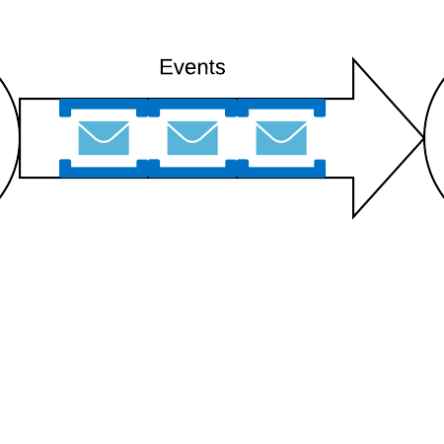
In this post I present some finer grained lessons we’ve learned (a. k. a burn marks) since then having solved some foundational problems that surfaced due to not paying enough attention to the failure modes inherent in EDAs, upfront
Using C# Source Generators to generate DTOs could potentially save a lot of developer time, so in this post I am going to attempt to write just such a generator.

The central idea around Blazor auth is for the UI system to be able to query the authentication state of the user and render different views. Blazor uses AuthenticationStateProvider to query this auth state via the AuthorizeView component.

Given the fact that there is no shortage of SPA frameworks and libraries like Angular, React, Vue, Knockout ad inifitum, for building the new frontend app for my app, I decided to go with Blazor.

I have a personal expense tracking app that for the last few months I’d been working to migrate away from MVC towards more modern client apps whilst reusing the backend code and logic.

Not long ago we completed the migration of all our services to .NET Core. Of note was a mission critical full .NET framework legacy Windows Service and in this post I would like to share how we completed that migration.

There are many posts and articles that expound the virtues of paying back the tech debt and philosophise at great lengths about the various design patterns that can improve the design of the code. In this post I’d like to tackle the more pragmatic and real life aspects around tech debt from my perspective.

Pair programming in pre-COVID 19 used to be somewhat easier because we were all in the same office space. COVID-19 changed all that…

A few weeks ago I came across this Mars Rover programming challenge/kata and being a bit of a space buff, I thought I will take a crack at it.
 Artineering